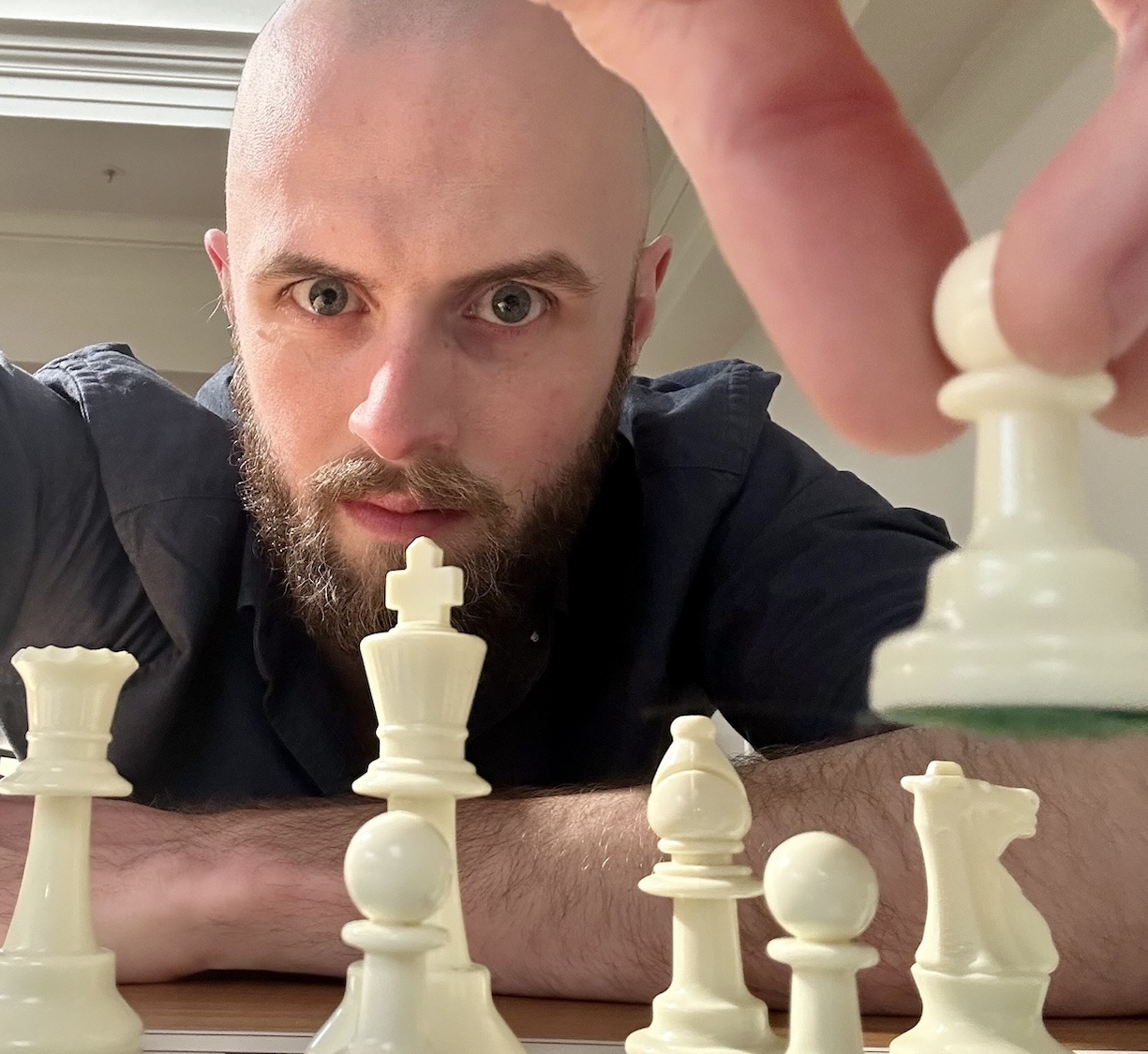
There’s always that one player at a Chess club who finishes a game, immediately sets up some earlier position, and winds the board forward and backward in time while discussing what happened with their opponents. It’s normally a master, but it’s extra cool (and oddly intimidating) when it’s not.
Grandmasters already have such a store of positions, ideas, sequences, and references in their long-term memories, that most of most games can be cobbled together from that library with little effort.
But we can build the skill just fine without the library.
I've discussed this topic with a lot of people over the half-decade I've done this work, and many of the old-hands at Chess say the same thing:
Remembering your games used to be a standard skill for the serious Chess player.
Like remembering people's phone numbers used to be a standard skill for an adult. Or navigating with a Melways (big ol' book of street maps) used to be a standard skill for Melbournites.
Pre-computers, people used to remember their games because they had to. Scoresheets were a thing for classical, but they were a hassle for casual games and faster time controls. If you wanted to analyze a blitz game you'd played, you had to hold it in your noggin.
The encouraging part is that it means the skill is achievable for us normal folks. It's really just the time we live in that's working against us here. If we want the same skill now in the 2020s, we need to be intentional about it and put the practice in.
The first and most obvious part of learning recall is to try to do it lots. The more you do it, the more comfortable it will become.
But here's a couple of tips to help with the process.
Don’t jump straight to replaying your games out on a board.
First, spend a few moments identifying the character of the game. The way you might quickly summarize a movie after you've seen it.
"White was aggressive early, but blundered a central pawn, and Black swarmed down the queenside until they found a great tactic on d4, leading to eventual mate."
Then try to think through the key moments of the game. What order did they happen, what details were important?
This is like working your way through a movie you've just watched, scene by scene, picking out the main gist of each bit.
Jumping straight to moves-on-board makes things too concrete too quickly. You'll have an easier time if you've reminded yourself of the wider context first.
When you're unsure what happened next, ask two questions.
What needs to be true in the next scene of the game?
Every move affects the game in some way, and often we can work out what a move had to have been by thinking through what will come after this. "The bishop must be on this diagonal, because otherwise the whole knight maneuver wouldn't have worked in a few moves."
If this move had been played now, would the game have gone the way it did?
When we play a wrong move or get right moves in the wrong order, we can often tell by looking at the position and seeing what makes sense to happen next. "If I had moved that pawn now, then they would have put their knight on that outpost. That didn't happen, so I mustn't have moved that pawn."
Watch for emotions clouding your recall.
How we feel about our own play will affect what we're likely to recall and the things we'll misremember. If you're upset about your performance, you'll likely struggle to recall some of the good defensive moves you played. The reverse if you feel very good about your performance. Hard to do, but try to be as objective as you can and watch for those overarching judgements.
However you decide to learn the skill of game recall, the key is practice and persistence.
Do it often, and work hard at it. Resist the urge to check the move too quickly.
You'll get the hang of it before too long if you approach it that way.
Here's to the journey,
Aiden